Time-Restricted Eating: A Popular Approach to When You Eat, Not What
Time-restricted eating has gained widespread attention in recent years as a dietary approach that redefines how people think about food and nutrition. Rather than focusing on calorie counting, food groups, or restrictive meal plans, time-restricted eating emphasizes when food is consumed. Typically, individuals limit their daily eating to a window of eight to ten hours, fasting for the remaining time. This shift aligns eating patterns more closely with the body’s natural circadian rhythms, which govern metabolism, hormone release, and energy use.
One of the main reasons time-restricted eating has become so popular is its simplicity. Traditional diets often require detailed tracking of calories, portion sizes, or macronutrients, which can feel overwhelming and difficult to maintain long term. Time-restricted eating removes much of that complexity by establishing a clear structure around meal timing. For many people, knowing when to eat is easier than constantly monitoring what and how much they eat, making the approach feel more manageable and sustainable.
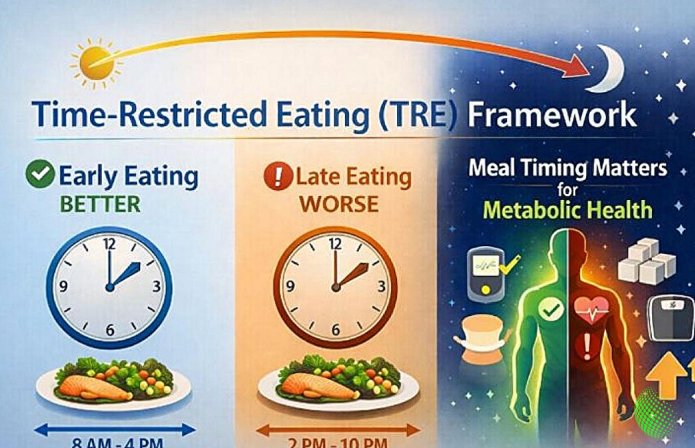
The concept is rooted in the idea that the human body is biologically primed to process food more efficiently during daylight hours. Research on circadian biology suggests that insulin sensitivity, digestive efficiency, and metabolic rate are generally higher earlier in the day. When food is consumed late at night, the body may struggle to regulate blood sugar effectively, increasing the likelihood of fat storage and metabolic disruption. Time-restricted eating encourages individuals to front-load their calorie intake during the day, potentially improving metabolic health.
Studies have shown that meal timing can influence blood sugar control, cholesterol levels, and inflammation. Eating within a consistent time window may help stabilize glucose levels and reduce insulin spikes, which is particularly important for individuals at risk of metabolic disorders. By avoiding late-night eating, time-restricted eating may also reduce the strain placed on the digestive system, allowing the body to focus on repair and recovery during fasting hours.
Weight management is another key reason many people are drawn to this approach. Time-restricted eating does not explicitly require calorie restriction, but it often leads to reduced calorie intake naturally. With fewer hours available for eating, opportunities for mindless snacking or overeating decrease. Additionally, longer fasting periods allow insulin levels to drop, encouraging the body to tap into stored fat for energy. Over time, this metabolic shift may contribute to gradual, sustainable weight loss.
Beyond weight loss, time-restricted eating may offer benefits at the cellular level. During fasting periods, the body activates a process known as autophagy, in which damaged cells and proteins are broken down and recycled. This internal “clean-up” process is thought to support cellular health, reduce inflammation, and protect against certain chronic diseases. While much of the research on autophagy comes from animal studies, early human evidence suggests that intermittent fasting patterns may help promote this beneficial process.
Time-restricted eating may also have implications for cardiovascular health. Some studies have linked consistent eating windows to improvements in blood pressure, cholesterol levels, and markers of inflammation. These effects are likely influenced by a combination of improved metabolic regulation, reduced nighttime eating, and better alignment with circadian rhythms. While more long-term research is needed, the existing evidence suggests that meal timing plays a meaningful role in overall heart health.
Despite its advantages, time-restricted eating is not without challenges. Adjusting to a shorter eating window can be difficult, especially for individuals who are accustomed to late dinners or evening snacks. Social schedules, work hours, and family routines can also make strict adherence challenging. For this reason, flexibility is key. Some people find success with a ten-hour window rather than a more restrictive eight-hour schedule, allowing them to adapt the approach to their lifestyle.
Food quality remains an essential factor in determining success. Limiting the eating window does not negate the importance of nutrition. A diet rich in whole foods, including fruits, vegetables, lean proteins, healthy fats, and whole grains, will yield better outcomes than one dominated by processed foods and added sugars. Time-restricted eating works best when paired with mindful food choices that support overall health.
Consistency is another critical component. The benefits of time-restricted eating are most pronounced when the eating window remains relatively stable from day to day. Frequently shifting meal times can disrupt circadian rhythms and undermine potential metabolic advantages. Choosing an eating window that fits naturally into daily life increases the likelihood of long-term adherence and sustained benefits.
There may also be psychological benefits associated with time-restricted eating. By removing the constant need to track calories, many individuals experience reduced stress around food. The structure of a defined eating window can promote mindful eating habits and help individuals tune into natural hunger and fullness cues. Over time, this can lead to a healthier and more balanced relationship with food.
However, time-restricted eating is not suitable for everyone. Individuals with certain medical conditions, such as diabetes, eating disorders, or those who are pregnant or breastfeeding, may require specialized nutritional guidance. In these cases, altering meal timing without professional supervision could be harmful. Consulting a healthcare provider before adopting time-restricted eating is especially important for those with underlying health concerns.
As research continues to evolve, scientists are exploring how different eating windows affect various populations. Some evidence suggests that earlier eating windows may provide greater metabolic benefits than later ones, though personal preference and lifestyle remain important considerations. The goal is not perfection, but consistency and sustainability.
In conclusion, time-restricted eating represents a meaningful shift in how nutrition is approached. By focusing on meal timing rather than strict dietary rules, it offers a flexible and accessible strategy for improving metabolic health, supporting weight management, and promoting overall well-being. While it is not a universal solution, its simplicity and growing body of evidence make it an appealing option for many individuals seeking a balanced and sustainable approach to eating. As scientific understanding deepens, time-restricted eating may continue to play an influential role in modern health and nutrition strategies.
Source: Medical Xpress