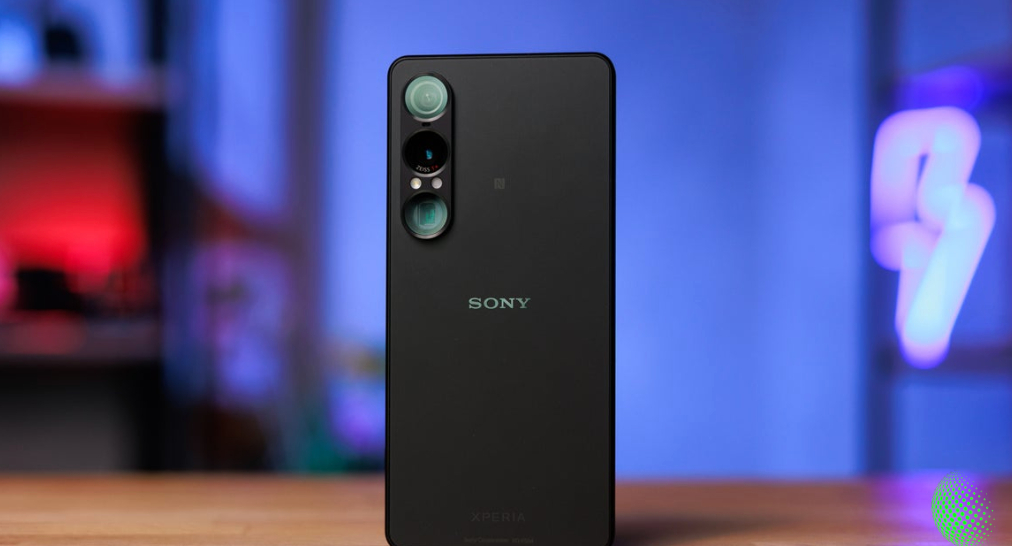
Sony Faces Tough Year as Flagship Phone Struggles Raise Questions About Its Future in Smartphones
Sony has faced a challenging year in 2025, marked by underwhelming sales figures and a series of high-profile setbacks with its flagship smartphone. These difficulties have sparked speculation about whether the company might reconsider its role in the fiercely competitive mobile market. While the idea of Sony stepping back from smartphones might seem plausible given the circumstances, the reality is far more nuanced, reflecting the company’s history, ecosystem, and long-term strategic goals.
The company’s struggles this year have been widely reported. Sales of its latest flagship device, despite being marketed as a cutting-edge model, have fallen well short of internal projections and external expectations. Critics and consumers alike have noted a series of technical and design flaws, ranging from battery performance issues to camera software inconsistencies, which have tempered enthusiasm for the product. These challenges have not only dented Sony’s brand reputation but also raised questions about its ability to compete against juggernauts like Apple and Samsung, whose smartphones dominate both market share and cultural relevance. Even so, Sony’s commitment to innovation and its long-standing presence in the tech industry suggest that a complete withdrawal from the smartphone sector is unlikely.
Sony’s smartphone division, while smaller than its PlayStation or camera businesses, remains a vital part of its broader technological ecosystem. Over the years, the company has leveraged its expertise in imaging technology, audio engineering, and display innovation to differentiate its devices from the competition. Its Xperia line, in particular, has consistently targeted consumers seeking high-quality multimedia performance, including professional-grade photography and video capabilities. Even amid disappointing sales figures, Sony continues to explore features that push the envelope, demonstrating a willingness to experiment and evolve in ways that other smartphone manufacturers may not.
Moreover, Sony’s mobile business is deeply intertwined with its other ventures. Integration with PlayStation services creates a seamless experience for gamers, while the company’s audio and visual technologies enhance multimedia consumption on its devices. This synergy not only strengthens the value proposition of Xperia smartphones but also reinforces Sony’s position as a leader in consumer electronics and entertainment technology. Walking away from the smartphone market would mean forfeiting these strategic advantages and potentially alienating a loyal base of consumers who appreciate the interconnectedness of Sony’s ecosystem.
The obstacles Sony faces are not unique. The smartphone industry is increasingly saturated, with consumers holding onto their devices for longer periods, often delaying upgrades unless significant innovations are introduced. Global economic factors, rising device prices, and shifting consumer priorities have also contributed to a slowdown in market momentum. Even giants like Apple and Samsung have had to innovate aggressively to maintain growth, highlighting that the challenges confronting Sony are part of broader market dynamics. The key question is whether Sony can leverage its strengths to navigate this environment.
One potential avenue for the company is to focus on niche markets where it can play to its technological strengths. Professional photographers and videographers represent one such audience, drawn to Sony’s legacy in high-quality imaging. Enhancing the camera performance of Xperia devices, introducing advanced manual controls, and integrating software for professional-grade editing could position Sony as the go-to brand for creative professionals seeking mobile solutions. By doubling down on this niche, the company could carve out a space where brand loyalty and product differentiation matter more than sheer sales volume.
Partnerships and collaborations could also serve as a catalyst for growth. Sony has historically worked with other technology companies to strengthen its offerings, from software integrations to joint hardware projects. Collaborations with app developers, AI specialists, or cloud service providers could help address software shortcomings that have affected recent smartphones, improving user experience while simultaneously increasing the value of the Xperia ecosystem. Strategic partnerships may also provide access to emerging markets or technical capabilities that Sony would struggle to develop alone.
Another critical factor is Sony’s global strategy. While the company has struggled to gain traction in the North American market, it retains a strong foothold in Japan, parts of Europe, and select Asian countries. Tailoring products and marketing strategies to these regions, while adjusting pricing and feature sets to suit local preferences, could stabilize sales and allow for incremental growth. Concentrating resources on markets where brand recognition is high may provide a more sustainable path forward than attempting to compete head-on with Apple or Samsung in regions dominated by these global leaders.
Financial stability and technological expertise also give Sony a significant advantage in navigating challenges. The company has weathered setbacks before, most notably with its PlayStation brand, which overcame early criticism to dominate the console market globally. Sony’s music and film divisions have similarly recovered from market fluctuations, showcasing an organizational culture that embraces innovation, adaptability, and long-term thinking. These capabilities suggest that, rather than abandoning the smartphone sector in response to a difficult year, Sony is more likely to reassess, refine, and relaunch products that better meet market demands.
Historically, Sony has approached mobile devices as part of a larger vision, integrating its smartphones with a broader ecosystem of gaming, media, and creative tools. Abandoning smartphones would not only eliminate a revenue stream but also diminish the company’s ability to offer a unified entertainment experience, which has become increasingly important to consumers seeking seamless connectivity across devices. Maintaining a presence in the smartphone market allows Sony to showcase its innovations, influence trends, and maintain relevance in a technology landscape that increasingly values integration and ecosystem cohesion.
Despite the challenges of 2025, Sony’s commitment to research and development, combined with its reputation for premium hardware, positions it to rebound. By learning from the missteps of recent launches, addressing user concerns, and refining product design and software, Sony can reassert its relevance in the mobile space. Incremental innovations—particularly in areas like AI-powered camera functions, energy efficiency, and multimedia integration—may help the company regain consumer confidence and carve out a profitable niche even in a crowded market.
In conclusion, Sony’s recent struggles highlight the inherent difficulty of competing in today’s global smartphone market, where consumer expectations are high and competition is fierce. Nevertheless, the idea of Sony exiting the mobile space altogether appears premature. By leveraging its strengths in imaging, audio, and entertainment integration, focusing on niche markets, pursuing strategic collaborations, and tailoring its approach to regional preferences, Sony has the tools and expertise to overcome current setbacks. The road ahead may be challenging, but Sony’s legacy of innovation, adaptability, and resilience offers hope that the company will not only survive but thrive, reaffirming its role as a distinctive and influential player in the smartphone industry.
While 2025 may have tested the company’s limits, the broader context of Sony’s technological ecosystem and history of overcoming market adversity suggests that the next phase could see a revitalized smartphone lineup. In an industry defined by rapid change and relentless innovation, Sony’s continued investment in mobile devices underscores its belief in the medium and its potential to complement the wider suite of products and services that have defined the brand for decades.
Source: PhoneArena