Trump Administration Proposed Naming Airports After Him in Exchange for Gateway Tunnel Funds
The Trump administration reportedly sought to leverage federal funding for a major infrastructure project in exchange for naming rights to prominent transportation hubs in the Washington, D.C., and New York areas. According to multiple sources, officials asked Senate Minority Leader Chuck Schumer to agree to rename Dulles International Airport and New York's Penn Station after former President Donald Trump as part of negotiations over the Gateway project, a multibillion-dollar initiative designed to construct a new railway tunnel under the Hudson River, modernize rail lines, and enhance transit capacity along the critical Northeast Corridor.
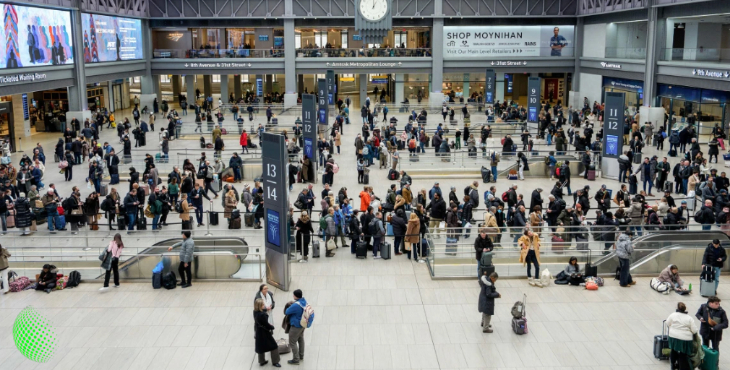
The $16.1 billion Gateway project, which has long been hailed as one of the nation’s most important and overdue infrastructure investments, has faced repeated delays over the past decade. Cost overruns, bureaucratic hurdles, and political disagreements have slowed progress, leaving commuters to contend with aging tunnels, frequent service disruptions, and bottlenecks that have frustrated travelers for years. Momentum appeared to return in 2024 when the Biden administration pledged an additional $6.9 billion in federal funding to push the project forward, signaling a renewed commitment to upgrading the region’s transportation infrastructure. However, the Trump administration intervened at the start of the federal government shutdown last fall, halting the release of those funds and leaving the project in limbo.
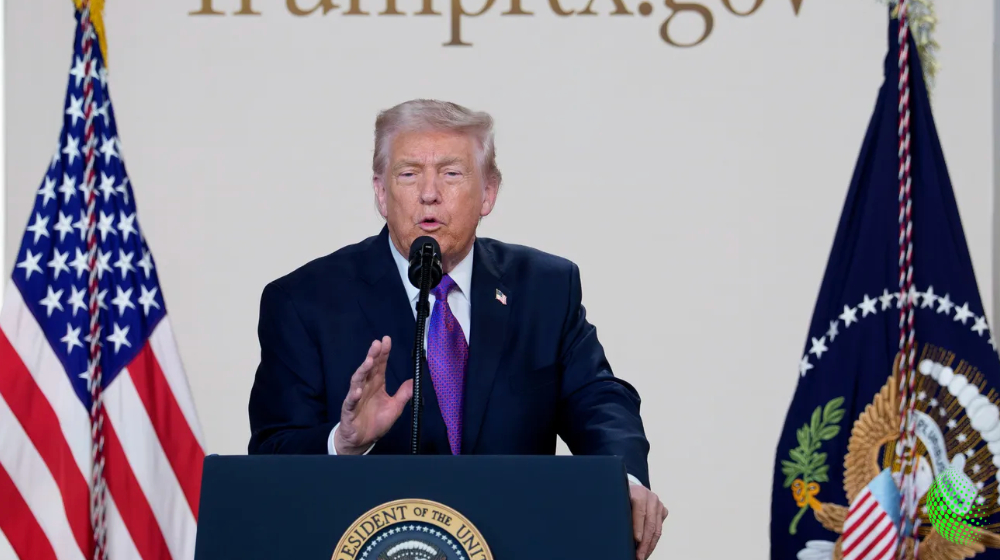
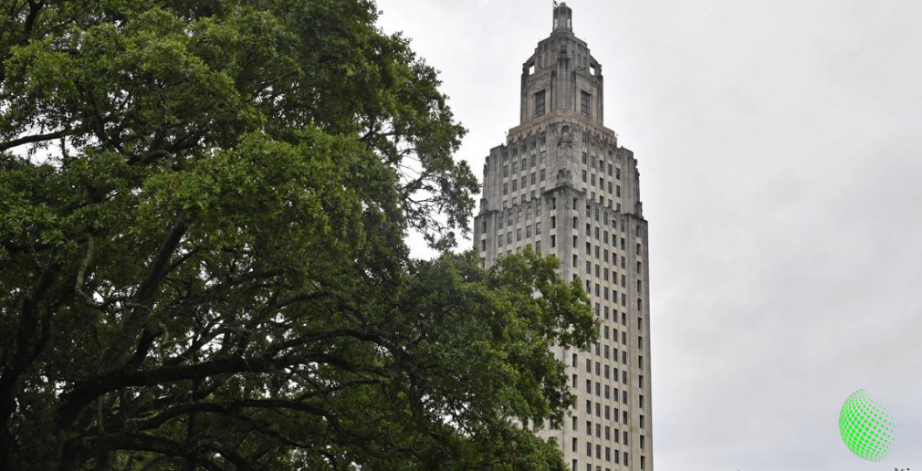
According to reports, the administration’s proposal included the condition that two of the region’s most prominent transit hubs—Dulles International Airport outside Washington, D.C., and Penn Station in New York City—be renamed in honor of Donald Trump. The request, which sources describe as unprecedented, would have tied critical public funding to a personal branding effort by a former president. While the White House declined to comment on the allegations, and Schumer’s office did not respond to inquiries, a source close to the senator told NBC News that “there is nothing to trade,” adding, “The president stopped the funding, and he can restart the funding with a snap of his fingers.”
White House budget director Russell Vought had previously justified the withholding of funds, stating the decision was made to “ensure” the money was not used to implement what the administration described as “unconstitutional DEI principles.” Yet for critics, the purported attempt to link essential infrastructure funding to personal naming rights epitomizes a pattern of prioritizing personal branding over public service. Senator Kirsten Gillibrand, a Democrat from New York and member of the Appropriations Committee, called the idea “ridiculous” and condemned it as a form of “narcissism” that endangered union jobs, regional economic growth, and the commuting public. She demanded the administration “put people first and unfreeze this project and all the others his administration has been holding hostage for personal gain.”
The controversy around naming rights fits within a broader pattern of actions by former President Trump, who has repeatedly sought to attach his name to public and private initiatives. Earlier this week, he launched TrumpRX, a website offering lower-cost prescription drugs, and in December, he added his name to the U.S. Institute of Peace, an agency his administration had previously dismantled. He also proposed a $5 million program promising pathways to permanent residence and citizenship under the Trump Gold Card initiative. These branding efforts, critics argue, demonstrate a willingness to intertwine personal legacy with policy implementation in ways that raise ethical and political concerns.
Renaming efforts have not been confined to federal projects. In February 2025, a Republican House member introduced legislation to rename Dulles International Airport in Trump’s honor, though the measure has languished in a subcommittee on aviation. Meanwhile, in Florida, a state lawmaker has suggested renaming Palm Beach International Airport to include Trump’s name. While supporters frame such proposals as honoring his contributions or achievements, opponents argue that tying public infrastructure to personal branding undermines civic trust and politicizes essential services.
Beyond the question of personal branding, the Gateway project itself remains a vital piece of transportation infrastructure for the Northeast Corridor, one of the busiest rail networks in the United States. The project promises not only to improve safety and efficiency for millions of daily commuters but also to create thousands of jobs in construction, engineering, and related industries. Delays or funding freezes threaten to exacerbate congestion, increase maintenance costs for aging infrastructure, and limit economic growth in a region that is already highly reliant on transit connectivity for commerce and labor mobility.
Experts note that the consequences of halting the project extend beyond New York and New Jersey. The Gateway tunnels under the Hudson River are a critical link in the national rail system, connecting Amtrak services and commuter lines. Failure to complete the project could ripple through the broader Northeast economy, affecting supply chains, commuter reliability, and regional competitiveness. For policymakers and transportation planners, ensuring timely and sufficient funding for Gateway is not a matter of partisan politics—it is a matter of economic necessity and public safety.
Observers also point out that using naming rights as leverage in infrastructure negotiations would be highly irregular and potentially unprecedented in modern American politics. While public-private partnerships sometimes include branding or sponsorship arrangements, tying federal appropriations for essential infrastructure to a single individual’s name raises serious legal and ethical questions. Such proposals could invite scrutiny from congressional oversight committees, watchdog organizations, and public interest groups concerned about governance, transparency, and accountability in the allocation of taxpayer funds.
Amid this controversy, local stakeholders have stressed the urgency of moving forward with Gateway independent of political maneuvering. New Jersey Governor Phil Murphy and New York Governor Kathy Hochul have repeatedly emphasized that the project is critical for regional mobility, economic vitality, and the thousands of construction jobs it supports. State officials have filed lawsuits to compel the administration to release the funds, arguing that Congress already appropriated the money and that withholding it jeopardizes public safety and economic stability. The courts are now considering whether the administration can lawfully delay funding based on unrelated conditions.
For residents and commuters, the stakes are tangible. Delays in Gateway construction mean continued reliance on outdated infrastructure that is vulnerable to service interruptions, flooding, and other operational failures. For workers in construction, engineering, and rail operations, funding freezes risk layoffs or interruptions in employment, impacting families and local economies. The broader public impact underscores why federal infrastructure projects are typically insulated from overtly partisan or personalistic conditions: the costs of delay are immediate and widespread.
Ultimately, the Gateway project serves as a case study in the intersection of politics, infrastructure, and public trust. While naming rights for public landmarks are occasionally debated, linking them to essential funding for critical projects raises questions about governance, priorities, and the role of personal ambition in public service. As the legal and political debates continue, the outcome will likely have long-term implications for both the Northeast Corridor and broader national infrastructure policy. Commuters, policymakers, and advocacy groups alike are watching closely, aware that the decisions made today could reverberate for decades.
For now, the project’s future hinges on whether the administration will release the funds without conditions. With construction funding set to run out imminently, the next few weeks may determine whether Gateway can proceed as planned or face costly delays that could extend the project timeline by years. The resolution of this dispute will not only shape the infrastructure landscape of the Northeast but may also set precedents for how federal funding, political influence, and personal branding intersect in American governance.
In conclusion, the controversy surrounding the Trump administration’s alleged attempt to attach naming rights to federal funding highlights the complex challenges facing major infrastructure projects in the United States. While Gateway promises enormous benefits in terms of safety, mobility, and economic growth, political maneuvering risks slowing or imperiling progress. The coming months will be critical, as lawmakers, courts, and federal agencies navigate these competing pressures, balancing accountability, efficiency, and the public interest in one of the country’s most vital transit corridors.
Source: NBC News