Seattle's 11-Year Nightmare: The Night Malcolm Butler Stole the Super Bowl
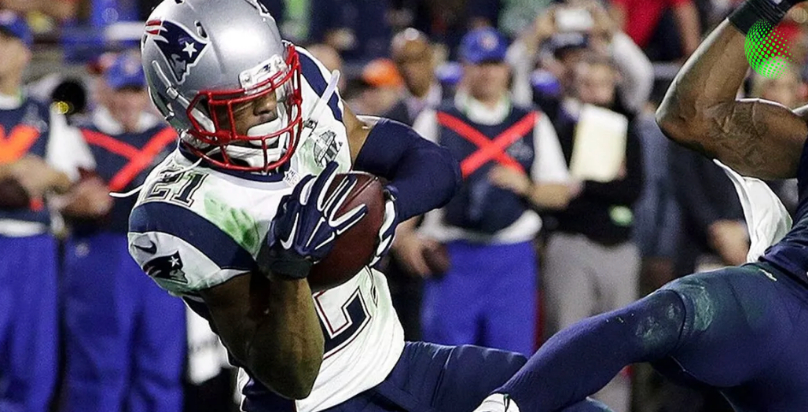
For over a decade, Seattle sports fans have found themselves jolted awake in the middle of the night, haunted by one of the most gut-wrenching moments in their city’s athletic history. The image of Malcolm Butler intercepting a pass at the goal line in Super Bowl XLIX remains seared into the collective consciousness of Seahawks supporters. That single play not only altered the outcome of a championship game but also left an emotional scar that still lingers to this day, a wound that has become a defining moment in the city’s sports lore.
The 2014 season had been remarkable for the Seahawks. Coming off a dominant Super Bowl victory the previous year, they were widely regarded as a team with the potential to establish a dynasty. Their defense, famously dubbed the “Legion of Boom,” was suffocating, shutting down some of the league’s most prolific offenses. Marshawn Lynch, Russell Wilson, and a deep supporting cast provided balance on offense, while Pete Carroll’s coaching ensured the team played with both precision and swagger. Heading into Super Bowl XLIX, the Seahawks were the favorites, boasting a roster that blended youthful exuberance with proven championship experience.
The game itself unfolded as a masterpiece of tension and drama. Every yard was fought for, and the Patriots were kept largely in check by Seattle’s relentless defense. With just seconds remaining, the Seahawks found themselves on the one-yard line, mere inches from completing a historic back-to-back championship run. The stage was set for greatness. And yet, in the blink of an eye, it all unraveled. Instead of handing the ball to Marshawn Lynch, arguably the best short-yardage back in the league at the time, the Seahawks opted for a pass attempt. That decision would prove catastrophic. Malcolm Butler, in an instinctive and perfectly timed play, leaped to intercept Russell Wilson’s throw, sealing a 28–24 victory for the New England Patriots and breaking Seattle fans’ hearts worldwide.
What makes this moment so enduringly painful is not just the loss itself, but how it happened. The Seahawks had dominated large portions of the game, and their defense had effectively neutralized Tom Brady, who would go on to cement his legacy as one of the greatest quarterbacks in NFL history. To see victory snatched away at the final moment, by a single, controversial decision, felt like a cruel twist of fate. It wasn’t merely a loss—it was the collapse of a narrative that had seemed perfectly scripted: the defense winning the day, the offense executing in crunch time, and Seattle crowned champions once more. Instead, it became a moment that fans would replay in their minds, each viewing more painful than the last.
The aftermath of the interception rippled far beyond the confines of CenturyLink Field. Seahawks fans were left grappling with the “what ifs.” What if Lynch had taken the handoff? What if Wilson had thrown a fade to Ricardo Lockette or Doug Baldwin? What if Pete Carroll had trusted the instincts of his powerful running back rather than opting for a pass? Sports analysts, commentators, and fans spent countless hours debating the decision, turning the play into one of the most dissected moments in NFL history. For some, it epitomized the unpredictability of sports; for others, it became a symbol of squandered opportunity and heartbreak.
For the team itself, the memory of that night has never fully faded. Pete Carroll has repeatedly defended his decision, noting the analytics and situational factors that informed the call. Still, he has admitted the emotional weight of the play, acknowledging that it would forever be a source of reflection and, at times, regret. Russell Wilson, now a veteran quarterback with the Denver Broncos, has spoken about the play as a defining moment in his career. While he has emphasized resilience and learning from mistakes, he has never shied away from acknowledging the personal disappointment and collective pain that accompanied that final interception. Players and coaches alike carry the memory, understanding that one decision can eclipse an entire season of excellence.
For the NFL at large, Super Bowl XLIX served as a case study in the unpredictability and drama that define professional football. Tom Brady’s fourth Super Bowl win only solidified his already towering legacy, while simultaneously casting a long shadow over the Seahawks’ era of dominance. Fans across the country, even those who didn’t root for Seattle, recognized the play as emblematic of the fine line between triumph and devastation. The interception became a cautionary tale, illustrating that in the NFL, even the best teams can falter when the stakes are highest.
For Seattleites, the play has taken on a symbolic resonance beyond mere sport. It represents the heartbreak inherent in rooting for a team, the emotional highs and crushing lows that come with shared communal investment. Bars, living rooms, and office break rooms became forums for replaying the event, debating the decision, and expressing collective frustration. The play helped forge a bond among fans, uniting them in grief and, ultimately, in resilience. It became part of the city’s cultural narrative, a shared experience that would be passed down through generations of Seahawks supporters.
The emotional weight of Super Bowl XLIX also had lasting implications for the trajectory of the team. Following the loss, the Seahawks entered a period of transition. Key players, including Richard Sherman, Kam Chancellor, and eventually Russell Wilson, departed. The window for back-to-back championships, which had seemed wide open, began to close. Yet, even in the face of personnel changes and roster adjustments, the memory of that game lingered as both a lesson and a cautionary tale—illustrating that no amount of dominance guarantees victory at the highest level.
Yet, despite the pain, there is also a story of resilience embedded in the interception. Seahawks fans, players, and coaches have learned to process the heartbreak and continue moving forward. The city has seen playoff success in the years since, with memorable victories and moments of brilliance, though the shadow of Butler’s interception remains. For younger fans, it serves as a historical touchstone, a story of near glory that reinforces the emotional stakes of following their team. For older fans, it is a bittersweet reminder of what could have been, fueling passion for every subsequent season.
Over time, the interception has become more than just a play; it has evolved into a narrative about human error, athletic excellence, and the fragile nature of success. It exemplifies how sports can be both cruel and exhilarating, creating moments that linger long after the final whistle. The Seahawks’ loss in Super Bowl XLIX is a testament to the unpredictability of football, the weight of split-second decisions, and the enduring impact of a single, perfectly timed play.
As new generations of fans emerge, the story of that interception will continue to be told. It will remain a defining moment in Seattle’s sports history, a narrative thread woven into the identity of the city and its fan base. The tale of what might have been—of a potential dynasty halted at the goal line—serves as both a cautionary story and a source of communal identity, reminding fans that the joys of victory are inseparable from the pain of defeat.
For those who witnessed Super Bowl XLIX firsthand, and for those who have heard its story retold countless times, the memory remains vivid. Malcolm Butler’s interception is etched in the annals of NFL history, not only for its impact on the game’s outcome but for the emotional resonance it has carried for over a decade. It is a story of heartbreak, resilience, and the enduring power of sports to unite a community in shared experience, triumph, and heartbreak alike.
In the end, the interception at the goal line is more than just a play—it is a symbol of the human element inherent in sports. It reminds us that victory is never guaranteed, that every choice carries weight, and that the emotions of fans and players alike are inseparable from the game itself. Seattle may never forget that night, but the city has learned to carry the memory with a sense of pride and understanding. For the Seahawks and their supporters, the dream of championship glory continues, forever inspired and haunted by that single, unforgettable moment.
Source: The Seattle Times