Florida Police Rescue 6-Year-Old Boy with Autism from Pond on Christmas Day
A heartwarming rescue unfolded on Christmas Day in Florida when a 6-year-old boy with autism was pulled from a pond by local police. The incident marked the second time in just 18 months that the child, known as Coco, had wandered into water, prompting his family to take extra precautions—including enrolling him in swimming lessons after the first scare.
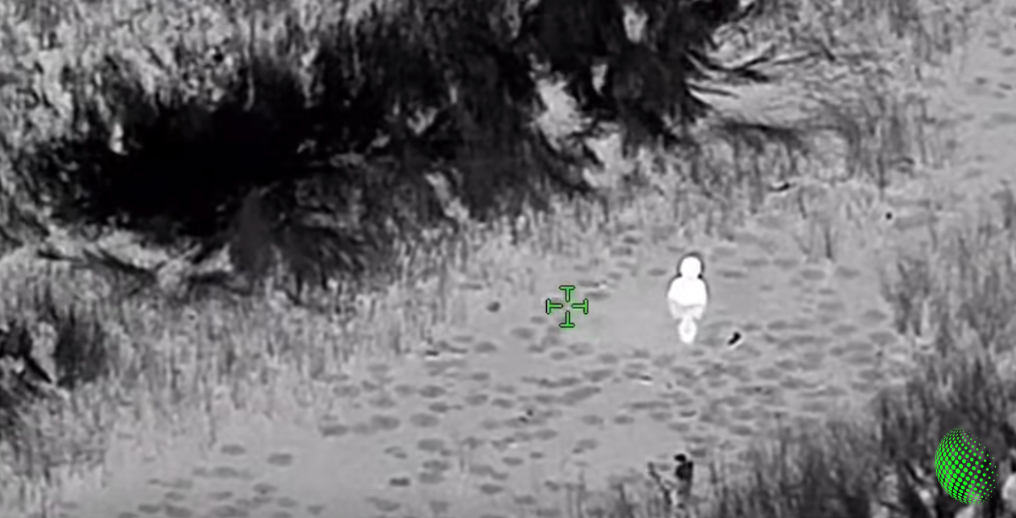
According to local authorities, deputies discovered Coco standing in chest-deep water after an extensive search. A sheriff’s helicopter played a crucial role in locating the boy, guiding officers to his exact position. Despite the cold temperatures, Coco was unharmed, though understandably shaken by the ordeal.
Coco is nonverbal and has a strong attraction to water, a common trait among some children with autism. His family had already endured a similar fright in August 2024 when, at just 5 years old, he managed to slip out of his home through a second-story door. The escape triggered a home alarm, alerting his family, who immediately contacted authorities.
During that first incident, a responding deputy found Coco clinging to a tree branch in a nearby pond and carefully carried him to safety. He was medically evaluated and quickly reunited with his relieved family. Following the close call, Coco’s parents took proactive steps to prevent future scares, including enrolling him in swimming lessons and reinforcing home security measures.
Law enforcement also advised the family to implement additional safety protocols, such as installing door alarms, securing fencing around their property, and having Coco wear a GPS tracker at all times. These precautions are part of broader recommendations for families with children who have autism or other special needs, particularly those prone to wandering.
Authorities emphasized the importance of layered safeguards, noting that even a brief moment of distraction can lead to dangerous situations. Officials said they were relieved the child was found safely and returned home.
Incidents like these underscore the unique challenges faced by families raising children with autism. Wandering, often referred to as “elopement,” is a well-documented behavior and can be driven by sensory curiosity or a desire to explore unfamiliar environments. Water, in particular, poses a heightened risk.
For Coco’s family, the Christmas Day rescue served as a sobering reminder of the constant vigilance required to keep their son safe. While the swimming lessons he took after the first incident may have helped him remain afloat, the situation highlighted the ongoing need for supervision and preventive planning.
Community involvement has also played a critical role in Coco’s safety. Local agencies have worked closely with the family, offering guidance and resources to reduce risks. Technologies such as GPS trackers are increasingly used by families with children who are prone to wandering, providing real-time location data that can prove lifesaving.
Public awareness efforts continue to stress the importance of education and prevention. Safety advocates encourage water safety training, community alert systems, and proactive planning to help protect vulnerable children.
For now, Coco is back home with his family, safe and surrounded by care. The swift response by first responders, combined with the safety measures adopted after the first incident, helped ensure a positive outcome on what could have been a tragic holiday.
In the aftermath, families are urged to adopt multiple layers of protection. Door alarms, secure locks, fencing, tracking devices, and early water safety training can all play a role in preventing wandering-related emergencies.
While no system can eliminate risk entirely, the combination of preparation, technology, and community support can significantly reduce danger. For Coco and his family, the lessons learned from these experiences will shape their approach to safety moving forward—offering reassurance that proactive steps truly can make a difference.
Source: CBS News