McDonalds and the Lasting Power of Value in 2026
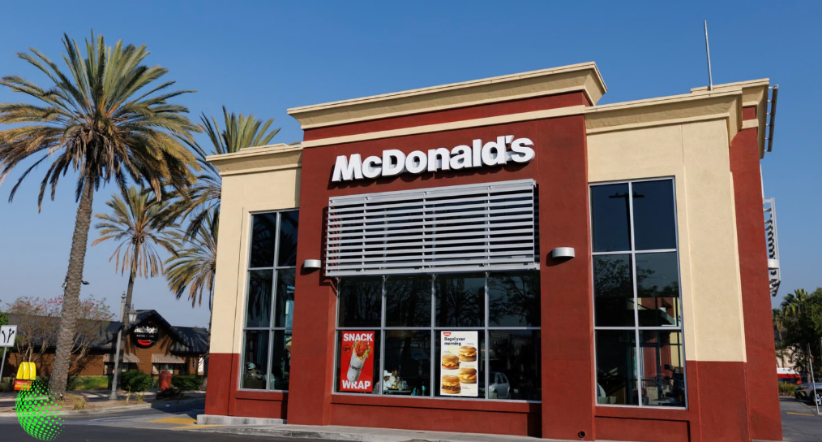
SAN DIEGO – On a crisp October morning in 2025, the scene inside a San Diego was unremarkable—the usual breakfast rush. Yet, the transaction data flowing from that location signaled a permanent shift. "Value" had evolved from an inflation hedge into the fast-food industry's dominant currency. Now, three months into 2026, McDonald’s proven ability to monetize that shift has solidified its market dominance and redefined consumer expectations.
The proof arrived in early February, when McDonald’s reported fourth-quarter earnings that far exceeded Wall Street’s expectations. Global same-store sales surged 5.7% in the final quarter of 2025, dramatically outperforming analyst projections. In the critical U.S. market, comparable sales jumped 6.8%—marking the chain’s strongest growth in nearly two years.
This performance was not merely a recovery; it was a strategic masterclass. Earlier in 2025, CEO Chris Kempczinski had issued a stark warning: the brand risked alienating its core customer base as menu price hikes deterred lower-income households. In response, the company launched a multi-layered value offensive that has since become the blueprint for 2026. Analysts observed following the earnings call that McDonald’s focus on value is paying off, driven by a clear-eyed recognition of a lasting shift in the consumer psyche.
The strategy that fueled this growth transcended the traditional discount-menu playbook. McDonald’s deployed a calculated blend of aggressive pricing, nostalgic product returns, and pop-culture timing—an approach now termed strategic value.
Beginning in September 2025, the chain subsidized franchisees to slash prices on select combo meals under its Extra Value Meal promotions. These complemented the existing McValue menu and the widely publicized return of the Snack Wrap, priced at $2.99. The move tapped into consumer nostalgia while driving immediate traffic, proving that value could also feel like a treat. By ensuring operator alignment through corporate subsidies, McDonald’s made these price points sustainable, avoiding the franchisee pushback that has plagued similar initiatives.
Crucially, the company recognized that in 2026, value is as much about perception as price. The simultaneous rollout of limited-time experiential offers—such as the return of the Monopoly game in October and a Grinch-themed holiday meal—convinced customers they could indulge without guilt. This dual approach reflects the growing expectation that dining out must feel worthwhile, not merely affordable.
The sustained momentum has not gone unnoticed. In the weeks following the earnings report, a consensus emerged that McDonald’s value model has durable, long-term potential.
Deutsche Bank reiterated its Buy rating, citing the company’s focus on value offerings, marketing, and menu innovation.
Argus Research upgraded the stock to Buy, highlighting McDonald’s strong position to attract budget-conscious customers.
JPMorgan raised its price target, noting that the value strategy is gaining traction and is expected to boost franchisee profitability.
Erste Group also upgraded McDonald’s to Buy, projecting stronger sales growth in 2026 as cost-conscious customers return.
This wave of support signals that the investment community now views the value focus not as a short-term tactic, but as the new operational baseline for success in a post-inflation economy.
McDonald’s performance is a leading indicator of a broader industry transformation. At the recent ICR Conference 2026, value emerged as the dominant theme across presentations. Independent restaurants, meanwhile, are expressing cautious optimism as they experiment with creative ways to offer value without sacrificing margins.
Competitors are feeling the pressure. Rival Taco Bell, which expanded its own value menu in early 2025, reported a strong quarter with a 7% jump in same-store sales. The escalation confirms that the value wars are far from over, as brands compete to improve quality and experience while maintaining strict cost controls.
Sustaining low frontline prices requires more than marketing muscle. To maintain its edge, McDonald’s is investing heavily in back-of-house efficiencies, including artificial intelligence for supply chain forecasting and inventory management. These investments help reduce waste and protect margins while keeping prices accessible.
For McDonald’s, the lasting power of value in 2026 is rooted in a nuanced understanding of the modern consumer. Value no longer means merely cheap—it means worth it: a reliable experience, a moment of enjoyment, and a price that aligns with household budgets still adjusting to economic uncertainty.
As customers check their phones for Monopoly game pieces while enjoying a $2.99 Snack Wrap, the new reality of the fast-food industry is on full display. McDonald’s strategy is clear: keep the deals compelling, the menu engaging, and operations lean.
Ultimately, the company is doing more than responding to the value trend—it is shaping it. If recent performance is any indication, McDonald’s is not just keeping pace with changing consumer expectations but setting the standard for what value means in the years ahead.
Source: CNBC