Cheltenham Council Seeks Election Delay Amid Funding and Reorganization Concerns
The Liberal Democrat-led Cheltenham Borough Council plans to request a 12-month delay to the local elections scheduled for 7 May, citing financial and logistical concerns. The proposal comes weeks after party leader Sir Ed Davey argued that postponing elections would violate human rights, highlighting the tension between democratic principles and practical governance challenges facing local authorities.
Cheltenham’s request stems from concerns about the high costs of holding elections at this time. Half of the council’s seats were due for election in 2026, but current financial pressures have prompted leaders to question whether proceeding is responsible. Cllr Rowena Hay, the council’s Liberal Democrat leader, emphasized the need for a "balanced and pragmatic" approach that prioritizes resident services over electoral timelines.
In her statement, Cllr Hay noted broader pressures on local government, including chronic underfunding and ongoing restructuring across Gloucestershire. While her party generally supports holding elections as scheduled, the resource-intensive nature of polls under current circumstances makes a delay appear more sensible. "Those elected may not serve any more than 12 months," she said, raising questions about efficiency in holding elections now.
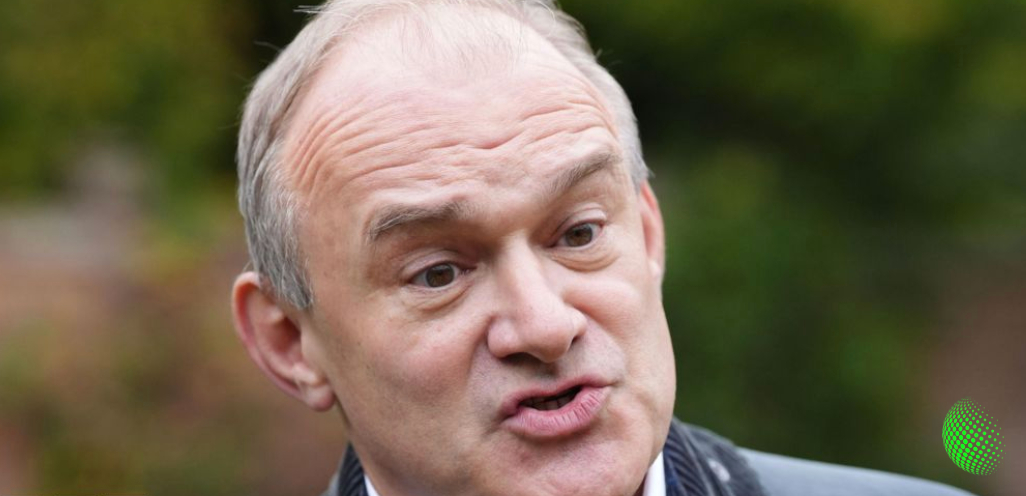
The debate over election delays extends beyond Cheltenham. In December, Sir Ed Davey wrote to the Equality and Human Rights Commission, warning that postponing elections could breach Article 3 of the Human Rights Act, which guarantees the right to free elections. He criticized the government’s approach as "cavalier," arguing that unnecessary delays undermine democratic rights. Reform UK’s Head of Policy, Zia Yusuf, echoed the concern, calling such postponements "extremely dangerous" and pledging to challenge them in Parliament.
The Liberal Democrats have clarified that Cheltenham’s situation is unique. A party spokesperson noted that the council’s current members were only elected in 2024, meaning they would serve just 18 months before facing re-election—a much shorter term than in Conservative-led councils like Essex, Hampshire, and Sussex, where councillors last faced elections in 2021. This disparity has fueled accusations that the government is selectively allowing delays to benefit certain political groups.
The Conservative Party has accused the government of being "scared of the voters," though leader Kemi Badenoch indicated she will not block Tory-led councils from requesting postponements. The government’s stance has been inconsistent; last February, nine areas were permitted to delay their 2025 elections to facilitate restructuring, and the offer was later extended to all 63 councils affected. Local Government Minister Alison McGovern confirmed that "multiple councils" had sought delays before Parliament’s Christmas recess.
The broader context involves ongoing local government restructuring in Gloucestershire. Three models are under consideration: a single unitary authority, an East/West split, and the Greater Gloucester model. Residents will be consulted in the spring, with a final decision expected by summer. Under the current timeline, elections in May 2027 would see new councillors overseeing the transition, followed by full elections in May 2028 when the new system takes effect.
Critics argue that delaying elections risks disenfranchising voters, particularly where councillors have already served extended terms. Sir Ed Davey warned that nearly 10 million people could see their democratic rights "ripped away" if elections are postponed without clear justification. Yet for councils like Cheltenham, the financial and administrative burdens of holding elections amid restructuring may outweigh immediate democratic concerns.
The situation reflects broader challenges facing local government in England, where underfunding and structural changes force difficult choices. While Cheltenham’s Liberal Democrats prefer elections to proceed as scheduled, practical realities have led them to seek a delay. How the government responds will set a precedent for balancing democratic processes with administrative and financial pressures.
In a broader perspective, Cheltenham’s request underscores the difficult trade-offs local authorities face in managing limited resources while maintaining democratic legitimacy. The outcome may influence how other councils navigate similar challenges in the months ahead.
Source: BBC News