Pope Leo XIV Warns of Eroding Global Order in Vatican Address
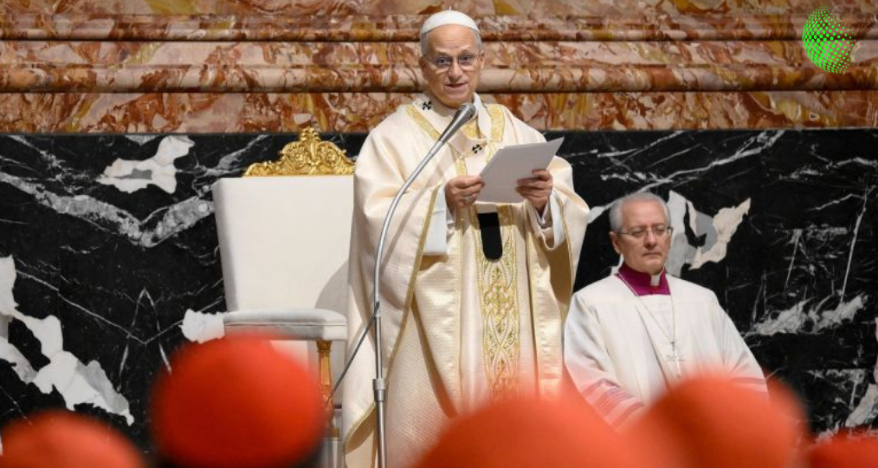
Pope Leo XIV warned that the principle prohibiting nations from violating one another’s borders has been “completely undermined” in a major address to diplomats at the Vatican. The first United States-born pope delivered his debut “state of the world” speech, expressing concern over “escalating tensions” in the Caribbean Sea and the American Pacific coast and urging respect for the “will of the Venezuelan people” and a return to stability in the country.
“War is back in vogue and a zeal for war is spreading,” Leo told ambassadors gathered in the Vatican’s Apostolic Palace. “The principle established after the Second World War, which prohibited nations from using force to violate the borders of others, has been completely undermined.”
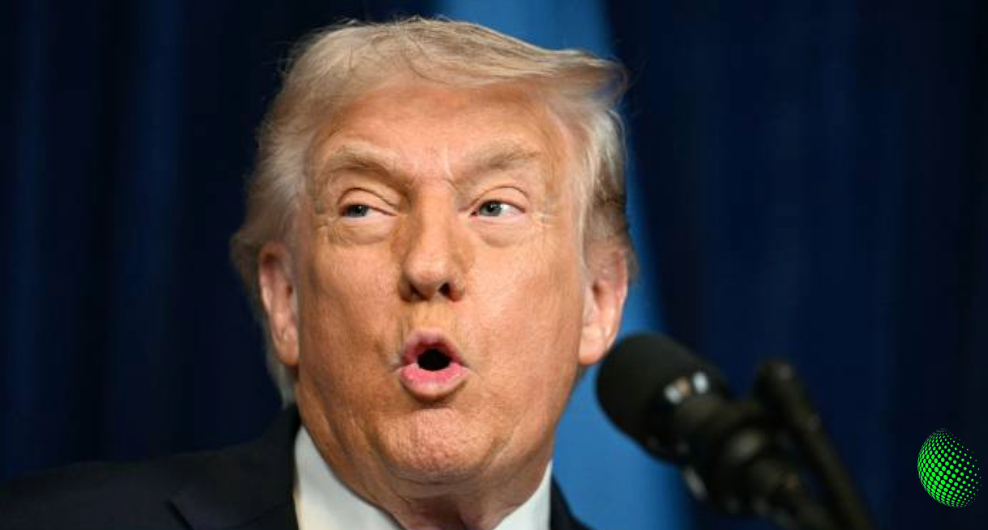
The speech came shortly after the US captured Venezuelan leader Nicholas Maduro in a military raid, and as Russia continues its war in Ukraine. Leo emphasized the importance of international law, contrasting his remarks with US President Donald Trump’s recent comments dismissing international law and the post-World War II order.
He lamented the weakening of multilateralism—the idea of countries cooperating to solve global problems—and stressed that international humanitarian law “must always prevail over the ambitions of belligerents.” Drawing on the legacy of World War II, he noted that the United Nations was established to safeguard peace and warned that diplomacy “based on force” is replacing consensus-driven approaches.
In his first annual new year’s address to the diplomatic corps, Leo spoke primarily in English, wearing the red papal mozetta. He addressed a wide-ranging audience, including US Ambassador to the Holy See Brian Burch and Venezuelan ambassador Franklin Mauricio Zeltzer Malpica, describing the event as “a new experience” for him.
During the 43-minute address, Leo condemned abortion, surrogacy, and euthanasia, defending the right of conscientious objection for doctors and healthcare professionals. He also criticized the shrinking freedom of expression in the West, warning against “a new Orwellian-style language” that, in seeking inclusivity, excludes those who do not conform to prevailing ideologies.
Reflecting on current conflicts, Leo drew parallels with the fifth century, citing Saint Augustine’s “The City of God” and noting similar challenges of migration, shifting power structures, and societal change. He also urged governments to avoid using efforts to combat criminality or human trafficking as a pretext to undermine the dignity of migrants and refugees.
Leo is using early 2026 to set markers for his pontificate, emphasizing consultation and engagement with the College of Cardinals. On January 8, he concluded an “Extraordinary Consistory,” a summit of cardinals conducted in small-group discussions. The round-table approach, inspired by Pope Francis, signals Leo’s intention to continue a more inclusive and listening-based leadership style. “I’m here to listen,” he told the cardinals, stressing that a unified church is essential to attracting new believers.
During the summit, discussions focused on evangelization and “synodality,” a renewal program initiated by Francis addressing issues such as women’s ordination and the inclusion of LGBTQ Catholics. Leo asked the cardinals for their “considerations and priorities” on these topics. Cardinal Pablo David of the Philippines described the pope’s engagement as “refreshing,” noting that Leo was taking notes seriously. Cardinal Timothy Radcliffe of the UK emphasized the need for the Church to face internal challenges, including sexual abuse and ideological division, with honesty.
Leo’s approach reflects lessons from Pope Francis’ pontificate, during which some reforms faced resistance from conservative cardinals. Unlike his predecessor, Leo plans to consult the worldwide College of Cardinals annually, beginning with a meeting set for June 27–28, with future gatherings extending three to four days each year. This approach aims to strengthen dialogue and ensure broader participation in Church governance.
In a broader perspective, Pope Leo XIV’s address highlights his commitment to upholding international law, promoting humanitarian principles, and engaging more closely with Church leadership. His early actions suggest a pontificate focused on dialogue, consultation, and addressing both global and internal Church challenges with a measured and inclusive approach.
Source: CNN