Justice Department Sues Four More States Over Voter Data Access
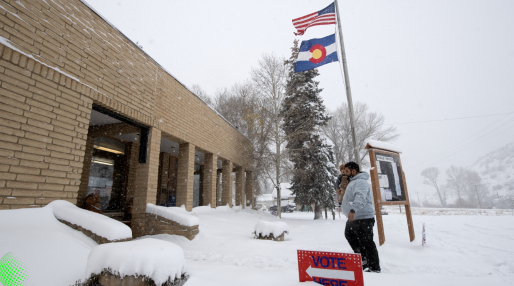
The scene outside Oak Creek Town Hall on Election Day, November 5, 2024, carried a sense of quiet resolve. A voter arrived with his young son resting on his hip, stepping inside to cast a ballot in what seemed like a simple civic act. Yet beneath this everyday moment, a deeper conflict was taking shape, as the Trump administration intensified its legal push to obtain sensitive voter data from states nationwide, drawing the federal into direct confrontation with state officials.
In a notable escalation, the Justice Department has filed new lawsuits against Colorado, Hawaii, Massachusetts, and Nevada, bringing the total number of targeted states to 18. Nearly all are led by Democrats, and all were carried by in the 2020 election. The DOJ is also pressing Fulton County, Georgia, for access to ballots and election records from that same race, a move that highlights a broader effort to scrutinize voter rolls under the banner of enforcing federal election laws.
At the center of the dispute is the DOJ’s demand for unredacted voter registration records, including highly sensitive details such as partial Social Security numbers and driver’s license information. Federal officials argue the data is needed to ensure states are properly maintaining voter rolls. State leaders, however, have resisted, pointing to privacy protections designed to prevent misuse of personal information. The standoff has reignited debate over how to balance election oversight with individual privacy in an increasingly polarized political climate.
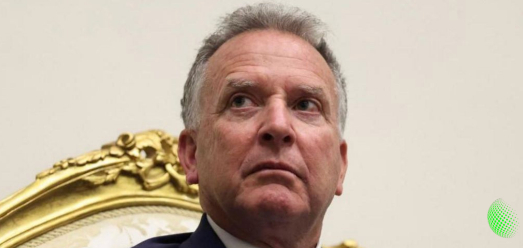
The Justice Department’s position has been voiced by Assistant Attorney General for Civil Rights , who has framed the lawsuits as necessary to protect election integrity. She has warned that the federal government will step in when states fail to meet their obligations. Her remarks reflect a wider narrative promoted by the administration, one that questions the reliability of state election systems, particularly in areas where former President has repeatedly disputed the 2020 results.
Beyond the courtroom, Dhillon has pointed to the DOJ’s use of a citizenship verification system operated by the . The tool cross-checks voter records against federal databases to identify possible non-citizen registrations. While described by officials as a routine compliance measure, critics argue it fits a broader pattern of targeting states with diverse electorates, often alongside claims of voter fraud that lack substancial evidence.
The lawsuit involving carries particular significance. The county has been central to repeated allegations of fraud following the 2020 election. The federal action follows the dismissal of a high-profile state-level election interference case against Trump and his associates, prompting speculation that the DOJ’s move could revive narratives that have failed to gain traction in court.
Pushback from state officials has been swift. Colorado Secretary of State rejected the DOJ’s demands outright, stating that the federal government has no legal right to Coloradans’ private voting information. She pledged to defend the state’s election system, echoing concerns among Democratic-led states that view the lawsuits as politically motivated and potentially damaging to voter confidence.
The confrontation in Colorado coincides with Trump’s pardon of, a former county clerk convicted on state charges for granting unauthorized access to voting equipment while investigating the 2020 election. Although the pardon does not affect her state sentence, it has been widely seen as a symbolic move reinforcing Trump’s alignment with figures who have amplified doubts about election security.
Adding another layer to federal involvement in Colorado, the DOJ has also announced a review of the state’s prison system. While officials say the review is focused on compliance with federal standards, the timing has fueled speculation about whether it connects to the broader political and legal disputes unfolding in the state.
As the legal fights continue, the implications reach beyond the courts. The DOJ’s pursuit of voter data touches on core questions of federalism, privacy, and public trust in elections. States warn that complying could expose citizens to risks such as identity theft or harassment, while federal officials argue their actions are necessary to restore confidence in the electoral process.
For voters like the father carrying his son into Oak Creek Town Hall, these battles feel far removed from the simple act of voting. Yet their outcome could shape how elections are run and how personal data is protected in the years ahead. Ultimately, the cases underscore a fragile balance between election security and individual privacy, one that is likely to remain at the center of America’s democratic debate for the foreseeable future.
Source: NPR