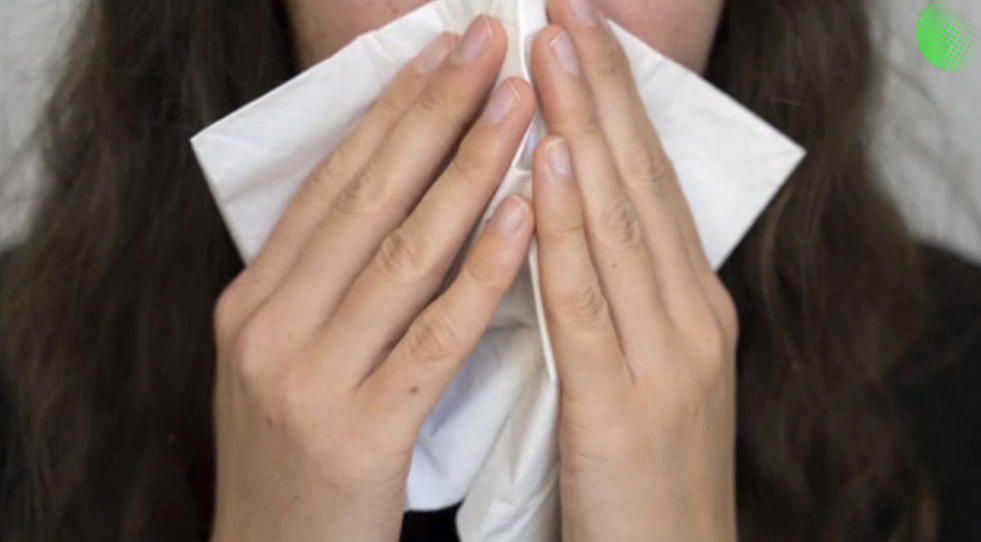
Flu Season Worsens as Cases Surge After Holiday Gatherings
This year’s flu season is emerging as one of the most demanding in recent years, with health officials raising concerns as case numbers continue to rise. What began as a gradual uptick has intensified into a broad surge, straining hospitals and putting communities on alert. The timing has amplified the impact: holiday gatherings and seasonal travel created ideal conditions for transmission, turning routine celebrations into accelerators for the virus.
Recent figures underscore the scale of the problem. Data from federal public health authorities show a sharp increase in flu-related hospitalizations across multiple states. Emergency departments are seeing heavier patient loads, while pharmacies report shortages of rapid tests and antiviral treatments. Public health specialists say the dominant strains this season appear more severe, with symptoms that are both stronger and longer-lasting than in many recent years.
A major driver of the surge has been a return to pre-pandemic social habits. As masking, distancing, and heightened hygiene have faded from daily life, opportunities for respiratory viruses to spread have multiplied. The flu thrives in crowded environments, from holiday parties to busy airports and shopping centers. With travel and large gatherings back to normal levels, transmission has accelerated.
Lower-than-expected vaccination rates have further complicated the situation. Despite repeated messaging about the benefits of the flu shot, fatigue from years of health warnings and lingering misinformation have led many to skip vaccination. Health officials note that this year’s vaccine closely matches circulating strains, offering strong protection against severe illness. Still, uptake has varied widely by age group and region.
The impact has been most pronounced among children and older adults. Pediatric hospitals in several states report increased admissions, with young patients experiencing high fevers, dehydration, and complications such as pneumonia. Older adults, particularly those with chronic conditions, face elevated risks of severe outcomes. Clinicians continue to urge families and caregivers to watch closely for warning signs, including breathing difficulties, persistent fever, and unusual fatigue.
Steps to slow the spread remain straightforward but essential. Vaccination remains the most effective tool, even for those who may have already been sick. Basic measures—handwashing, covering coughs, and staying home when ill—still reduce transmission. For confirmed cases, antiviral medications can shorten illness and lessen severity when taken early.
Public health agencies are adjusting their responses as pressure mounts. Some local governments have reopened temporary testing sites, while others are distributing masks and hygiene supplies in crowded areas. Schools and employers are being encouraged to reinforce sick-leave policies so people can recover fully before returning. These measures aim to ease strain on healthcare systems rather than eliminate risk entirely.
Looking forward, experts caution that the season may not have peaked yet. Historical patterns suggest flu activity can remain elevated into late winter or early spring. Ongoing monitoring, timely updates from local health authorities, and access to reliable data remain critical for communities trying to manage risk.
From a broader analytical standpoint, this season highlights how quickly familiar viruses can rebound when preventive behaviors decline. While no single measure can halt the flu’s spread, coordinated action—combining vaccination, sensible precautions, and clear public communication—can limit its impact. The coming weeks will test how effectively communities balance normal routines with renewed vigilance as the season unfolds.
Source: WPVI-TV